


Why Your Brain Thinks It’s a Dormant Houseplant… Especially During a Scandinavian Winter
Photo by Tomu00e1u0161 Malu00edk on Pexels.com
November in Scandinavia is a very specific vibe. The sun clocks out at 15:30, the rain falls horizontally, and every local you meet mutters a resigned “ja, ja… det er bare høsten” while clutching a cup of coffee like it’s a life-support device.
It is also the month when many people begin to feel the slow creep of Seasonal Affective Disorder (SAD) — a mood disorder so common in northern latitudes that it may as well be considered an unofficial Scandinavian rite of passage.
Let’s unpack what SAD is, why it happens, what it does to your body, and most importantly: the Scandi-approved survival strategies that help you get to the solstice without dissolving into a puddle of existential gloom.
What Exactly Is Seasonal Affective Disorder?
Seasonal Affective Disorder (SAD) is a recurrent pattern of depressive symptoms that reliably appear during certain months — typically autumn and winter — when daylight becomes about a sought after treasure. SAD is officially classified as a subtype of Major Depressive Disorder with a seasonal pattern, and it affects mood, behaviour, sleep, appetite, and general motivation (American Psychiatric Association, DSM-5).
While occasional gloom is normal, SAD is not merely “winter blues.”
It is a predictable, physiological response to changes in light exposure, with measurable effects on multiple systems in the body.

How SAD Affects the Body: The Science Behind the Slump
Photo by stein egil liland on Pexels.com
1. Melatonin: When Your Sleep Hormone Refuses to Believe It’s Daytime
Melatonin production is triggered by darkness.
In Scandinavian winter, “darkness” is essentially a 20-hour a day lifestyle choice.
Low daylight → increased melatonin → daytime sleepiness, sluggishness, and the seductive urge to hibernate like a smug, well-rested bear.
Research shows that altered melatonin rhythms are strongly linked to SAD symptoms, particularly low energy and disrupted sleep–wake cycles (Lewy et al., 2013; Lam et al., 2015).
2. Serotonin: The Mood-Boosting Neurotransmitter That Misses the Sun
Serotonin is heavily influenced by light exposure.
Reduced daylight decreases serotonin activity (Lam et al., 2015), which can contribute to low mood, irritability, emotional heaviness, and decreased motivation.
Low serotonin is also why you might suddenly crave carbs with the urgency of a Viking after a sea voyage — carbs temporarily boost serotonin availability.
3. Circadian Rhythm: Your Internal Clock Starts Running on “Winter Mode”
When daylight is minimal, the brain’s master clock (the suprachiasmatic nucleus) becomes confused.
This leads to:
- Oversleeping or difficulty getting out of bed
- Fatigue
- Difficulty concentrating
- Feeling “off schedule” all day long
Studies confirm that circadian misalignment plays a key role in SAD development (Murray et al., 2020).
4. Vitamin D: The Sunshine Nutrient That Takes a Long Holiday
In Norway, you don’t make meaningful vitamin D from sunlight between roughly October and March.
Low vitamin D status is associated with depressive symptoms and may contribute to the severity of SAD (Li et al., 2019).
What SAD Feels Like: The Human Experience of Low Light Living
While everyone’s experience differs, common symptoms include:
- Low mood or sadness
- Loss of motivation
- Fatigue and heaviness in the limbs
- Increased sleep
- Carb cravings
- Irritability
- Withdrawing socially
- Difficulty concentrating
Or, more colloquially: feeling like someone unplugged your personality and switched you to power-saving mode.
What Actually Helps? Evidence-Based Tools (Including Nordic Life Hacks)
Here are the interventions backed by research and widely used by Scandinavians who have collectively decided that winter should not win.
1. Bright Light Therapy (BLT)
Yes, BLT here means Bright Light Therapy — not a bacon sandwich. Though both can improve your mood
If Scandinavia has a winter god, it is the 10,000-lux light therapy box.
Research consistently shows that bright light therapy is one of the most effective treatments for SAD, often improving symptoms within 1–2 weeks (Lam et al., 2015; Pjrek et al., 2020).
How to use it:
- 10,000 lux
- 20–30 minutes each morning
- Positioned at a slight angle, about 30–50 cm away
- Eyes open, but you don’t stare at it like it owes you money
Scandi tip: Use it while drinking your morning coffee. Norwegians already caffeinate like it’s competitive sport — might as well add some photons.
2. Dawn Simulators: For When You Need to Believe the Sun Still Exists
These alarm-clock lamps gradually brighten before waking you.
They help stabilise circadian rhythms and reduce morning grogginess (Bjorvatn & Pallesen, 2015).
Scandi tip: Many of my patients at the clinic swear by them during mørketiden (literally the dark time, it feels appropriately dramatic this time of year). Think of it as a gentle, polite sunrise.
3. Vitamin D Supplementation
Given near-universal deficiency in Nordic winter, vitamin D supplementation has been associated with improvements in mood and energy (Li et al., 2019).
BUT:
Always follow national guidelines for dosing (typically 10–20 μg/day for adults unless otherwise instructed).

4. Physical Activity: Nature’s Antidepressant
Exercise increases serotonin, dopamine, and endorphins.
Multiple studies show its effectiveness for reducing depressive symptoms generally and improving energy during winter (Krogh et al., 2017).
Scandi spin:
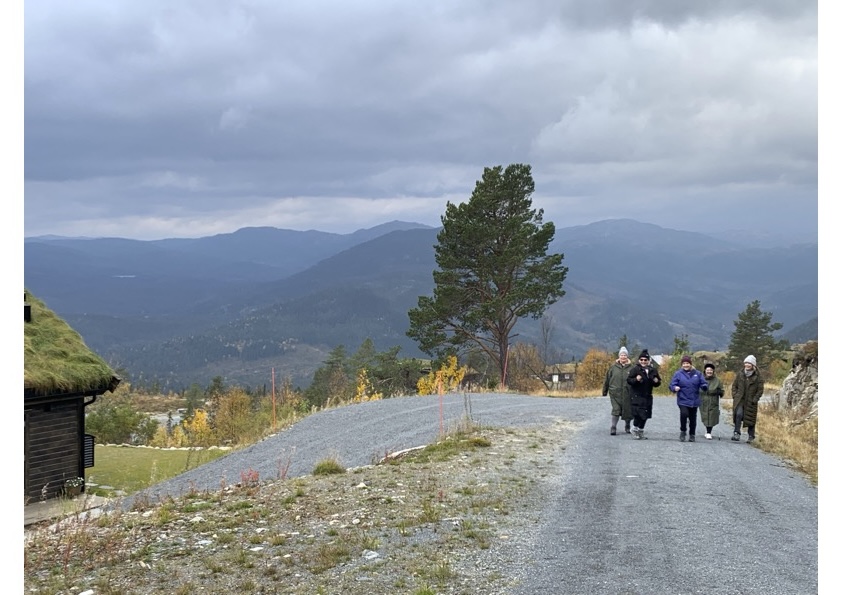
Norwegians go ut på tur even when the weather is bleak.
A walk outside at 10:00 — when daylight is brightest — gives you movement, fresh air, and precious photons.
Bonus: It satisfies the national moral code of “there is no bad weather, only bad clothing.” A sentiment tried and true in both Norway and Scotland!
5. Cognitive Behavioural Therapy (CBT-SAD)
CBT tailored for SAD has strong evidence supporting its effectiveness (Rohan et al., 2015).
It focuses on reframing winter-related thoughts, developing coping strategies, and planning pleasant activities.
Scandi note:
This is essentially hygge, but with science and fewer candles.
6. Social Connection & Structured Winter Fun
Isolation worsens SAD.
Scandinavian countries lean hard into communal winter traditions — knitting circles, Christmas markets, board-game nights, peiskos, and long evenings with friends under soft lighting.
Why it works:
Positive social contact increases oxytocin and serotonin, counteracting the physiological slump.
Also: saying “nei, takk” to every invitation all winter is a fast track to feeling miserable.
7. Strategic Use of Warmth, Light, and Cosiness (a.k.a. Hygge but Make It Clinical)
Soft lighting reduces stress responses.
Warmth increases parasympathetic activity.
Pleasant sensory experiences buffer depressive symptoms (Meuwese et al., 2021).
Nordic life hacks include:
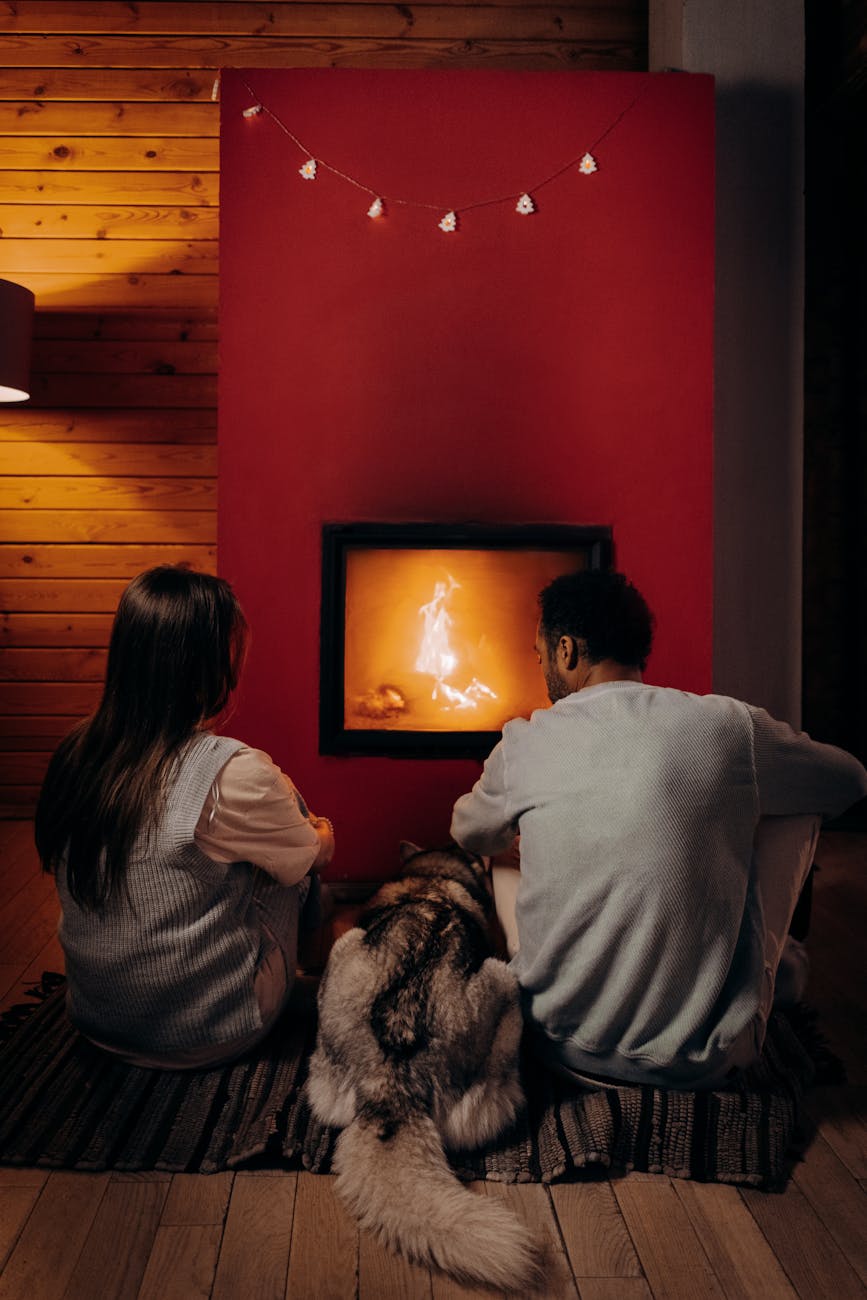
- Lighting candles like a responsible adult (do not set house on fire)
- Electric blankets
- Wool everything
- Hot drinks as a coping strategy AND a cultural requirement
- Switching overhead lights to warm-tone bulbs
- Keeping living spaces cosy and clutter-free
8. Keep a Consistent Schedule
Circadian stability mitigates symptom severity.
Try to wake up and go to bed at the same time every day — even when the weather suggests you should simply retreat to bed and wait until April.
When to Seek Additional Help
If symptoms begin to interfere with:
- Work or school
- Relationships
- Daily functioning
- Sleep
- Energy
- Mood (persistent low mood for more than two weeks)
…it’s worth contacting a GP or mental health professional. SAD is treatable. You do not need to “tough out the winter like a Viking.”

Curiously Aligned Take
Seasonal Affective Disorder isn’t a personal failing — it’s biology reacting to the seasonal light famine that Scandinavia specialises in. With the right tools (light therapy, movement, vitamin D, structured routines, and unapologetic hygge), your winter doesn’t have to feel like a test of emotional endurance. Instead, you can turn the dark months into a season of intentional rest, warmth, connection, and small joys — one well-timed coffee, candle, or dawn simulator at a time.
References
- Bjorvatn, B., & Pallesen, S. (2015). A practical approach to circadian rhythm sleep disorders. Sleep Medicine Reviews, 19, 9–21.
- Krogh, J. et al. (2017). Exercise for patients with major depression: a systematic review. Journal of Affective Disorders, 221, 37–45.
- Lam, R. W. et al. (2015). Light therapy for seasonal affective disorder: systematic review and meta-analysis. American Journal of Psychiatry, 172(7), 656–665.
- Lewy, A. J. et al. (2013). The circadian basis of winter depression. Proceedings of the National Academy of Sciences, 110(7), 277–284.
- Li, H. et al. (2019). Vitamin D and depression in adults: a systematic review. British Journal of Psychiatry, 214(2), 96–108.
- Meuwese, R. et al. (2021). The role of sensory pleasure in mood regulation. Emotion, 21(1), 132–144.
- Murray, G. et al. (2020). Circadian rhythms and depression. Current Opinion in Psychiatry, 33(3), 220–225.
- Pjrek, E. et al. (2020). Efficacy of bright light treatment in seasonal affective disorder. International Journal of Neuropsychopharmacology, 23(6), 377–385.
- Rohan, K. J. et al. (2015). Randomized trial of CBT vs light therapy for SAD. American Journal of Psychiatry, 172(9), 862–869.


 Curiously AligneD
Leave a reply to Hans Martin Tonholt Cancel reply