
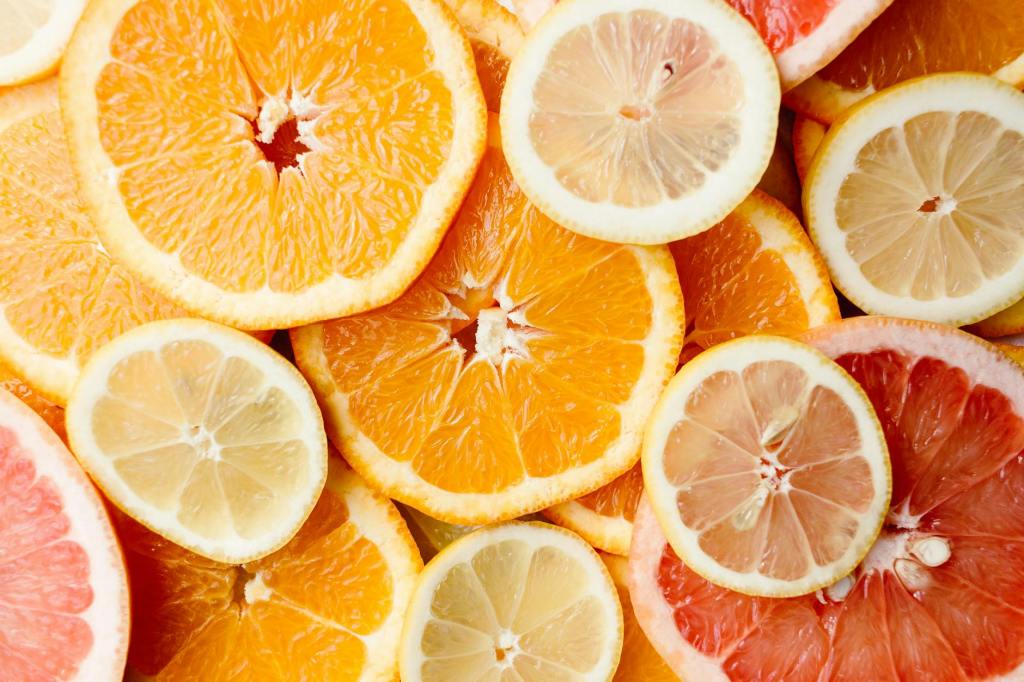
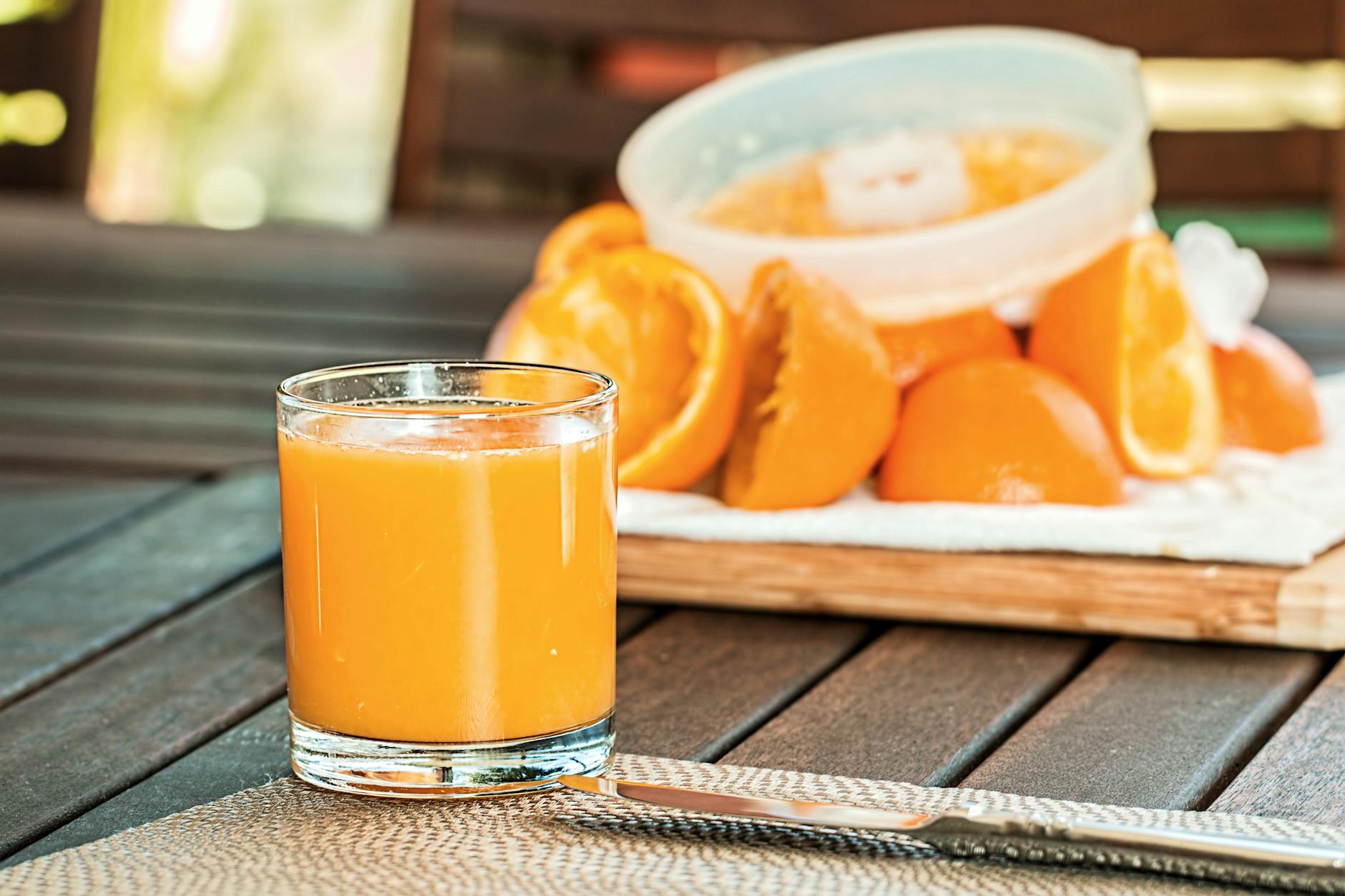
There’s something about catching a cold that sends us all running for the nearest glass of orange juice. Maybe it’s instinct, maybe it’s marketing — or maybe, just maybe, our bodies are smarter than we give them credit for.
I’ll admit, after a week of sniffles (the glamorous consequence of working closely with cheerful, germ-sharing children), I found myself doing the same thing — drinking citrus like it was an Olympic sport. So, what is it about vitamin C that makes us crave it when we’re under the weather? Let’s dive into the science behind this bright little nutrient.
What Is Vitamin C, Anyway?
Vitamin C, also known as ascorbic acid, is a water-soluble vitamin — meaning our bodies don’t store it for long. We need to top it up regularly through our diet. It’s a powerhouse antioxidant, helping to neutralise free radicals that can damage our cells. But that’s just the start of its résumé.
Among its most famous roles are:
- Supporting the immune system (yes, the reason you’re clutching that orange juice)
- Aiding collagen production — vital for skin, joints, and blood vessels
- Enhancing iron absorption from plant-based foods
- Supporting wound healing and tissue repair
So, when you’re battling a cold, vitamin C isn’t necessarily curing it — but it’s doing its best to help your immune system perform at its peak.

Why We Crave Vitamin C When We’re Sick
While there’s no hard evidence that the body directly “craves” vitamin C during illness, research suggests our needs might increase when we’re fighting infection due to higher oxidative stress and inflammation (Carr & Maggini, 2017). Translation: your body is using up more of its antioxidant resources, so replenishing vitamin C feels particularly good.
And let’s be honest — warm tea and citrus flavours just taste like healing. That tangy hit of orange or lemon can refresh a sore throat and boost hydration. It’s a win-win situation.
Food Sources of Vitamin C
Vitamin C isn’t just hiding in oranges. In fact, many fruits and vegetables outshine the classic citrus in vitamin C content. Try adding a few of these to your shopping basket next time you’re feeling run down (or just craving something bright):
- Red and green bell peppers – more vitamin C per gram than an orange
- Kiwi fruit – sweet, tangy, and packed with antioxidants
- Strawberries – because medicine can taste like summer
- Broccoli and Brussels sprouts – two underrated immune supporters
- Blackcurrants – especially popular in Scandinavian syrups and cordials
- Citrus fruits – oranges, lemons, grapefruit, and mandarins
Cooking can reduce vitamin C content, as it’s heat-sensitive, so if you can, enjoy these foods raw or lightly cooked.
What Does a Deficiency Look Like?
A true vitamin C deficiency is rare these days, but it can happen, particularly in those with restrictive diets, chronic illnesses, or limited access to fresh produce.
Signs of deficiency may include:
- Fatigue or weakness
- Easy bruising or slow wound healing
- Dry, splitting hair and bleeding gums
- Joint pain or swelling
- In severe cases, scurvy — a word that instantly makes you picture pirates, but yes, it’s still a real (though rare) condition
Even mild deficiencies can impact immune function, making colds drag on longer than they should (Maggini et al., 2018).
Can You Have Too Much?
Because vitamin C is water-soluble, excess amounts are usually excreted through urine — but there is such a thing as too much of a good thing.
Mega-dosing (often through supplements) can lead to digestive discomfort, including diarrhoea, nausea, or cramps. In very high amounts (over 2000 mg/day), it can increase the risk of kidney stones in susceptible individuals (Camarena & Wang, 2016).
So while it’s great to include plenty of vitamin C-rich foods, it’s best to be cautious with large supplements unless recommended by a healthcare professional.
Curiously Aligned Take:
Vitamin C won’t make you invincible (sadly, still no magic cure for the common cold), but it’s one of those small daily habits that keep your body running smoothly — like brushing your teeth or wearing socks that match.
So next time you’re under the weather, by all means reach for that orange juice, but maybe throw in a kiwi, a handful of berries, or a plate of colourful veggies too.
References
- Carr, A. C., & Maggini, S. (2017). Vitamin C and immune function. Nutrients, 9(11), 1211.
- Maggini, S., Pierre, A., & Calder, P. C. (2018). Immune function and micronutrient requirements change over the life course. Nutrients, 10(10), 1531.
- Camarena, V., & Wang, G. (2016). The epigenetic role of vitamin C in health and disease. Cellular and Molecular Life Sciences, 73(8), 1645–1658.
- Institute of Medicine (US) Panel on Dietary Antioxidants and Related Compounds. (2000). Dietary Reference Intakes for Vitamin C, Vitamin E, Selenium, and Carotenoids. National Academies Press.


 Curiously AligneD
Leave a comment