

If there were ever a group of nutrients worthy of a standing ovation, omega-3 fatty acids would be at the front of the stage. These little fats are not just “good for you” in a vague, wellness-buzzword way — they’re essential for keeping our cells, hearts, and brains performing like headliners. Let’s break down what they are, what they do, and what happens if your intake falls flat.

If you’re wondering why I’m suddenly diving into nutrition, the answer lies in my own kitchen. In our household we juggle varied health and dietary needs, so I’ve spent plenty of time geeking out on nutrition research. On top of that, I have a severe fish allergy — white fish in particular — which means I’ve had to get creative about sourcing omega-3s without relying on the usual suspects like salmon or cod. While I can tolerate some other seafood (an ongoing adventure in testing!), most of my life has been spent navigating omega-3s in a very roundabout way. Add in my love of cooking and travel, and you’ll see why food and nutrition are always part of my bigger wellbeing picture.
So, with all that trial, error, and culinary experimenting, I’ve come to appreciate just how important these tiny fats are — and why understanding the different types of omega-3s matters, no matter what your diet looks like.
What Exactly Are Omega-3s?
Omega-3s are polyunsaturated fatty acids (PUFAs), which means their chemical structure includes multiple double bonds — giving them flexibility and making them vital building blocks in cell membranes. The three key types you’ll hear about are:
- ALA (alpha-linolenic acid): Found in plant sources like flax, chia, and walnuts. It’s considered “essential” because we can’t make it ourselves.
- EPA (eicosapentaenoic acid): Mainly from marine sources, especially oily fish. Supports heart health and reduces inflammation.
- DHA (docosahexaenoic acid): Also from fish and algae, and a superstar for brain and eye development and maintenance.
Fun fact: our bodies can convert ALA into EPA and DHA… but not very efficiently (conversion rates hover under 10%) . That’s why direct sources of EPA and DHA are so important.
What Do They Actually Do in the Body?
Think of omega-3s as peacekeepers and multitaskers:
- Brain power: DHA is a major structural fat in the brain, supporting memory, cognition, and mood .
- Cardiovascular health: EPA helps keep blood vessels flexible, supports normal blood pressure, and reduces triglycerides .
- Inflammation tamers: Omega-3s regulate the production of signaling molecules that cool down chronic inflammation — the sneaky background player in many diseases .
- Eye health: DHA is crucial for the retina, helping maintain clear vision .
Signs You May Not Be Getting Enough
Unlike vitamin deficiencies, omega-3 insufficiency is often subtle at first, but it can show up as:
- Dry, scaly skin or brittle hair
- Poor concentration or memory fog
- Low mood or increased risk of depressive symptoms
- Increased joint stiffness or inflammatory pain
- Higher cardiovascular risk markers (like elevated triglycerides)
Long-term low intake has been linked to developmental delays, neurodegenerative issues, and increased risk of heart disease .
Where to Find Omega-3s in Your Diet

Best sources include:
- Fatty fish: Salmon, sardines, mackerel, anchovies, trout.
- Shellfish: Mussels and oysters pack a surprising omega-3 punch.
- Plant-based ALA sources: Flaxseeds, chia seeds, hemp seeds, walnuts.
- Fortified foods: Some eggs, yoghurts, and milk alternatives.
- Algal oil supplements: A direct vegan-friendly source of DHA and EPA.
Special Notes for Vegetarians & Vegans
Plant foods offer plenty of ALA, but remember — our bodies struggle to convert enough ALA into the longer-chain EPA and DHA we need .
Practical tip:
- Regularly include flax, chia, walnuts, and hemp.
- Consider an algal oil supplement for a reliable EPA/DHA boost — it’s sustainable and 100% plant-based.
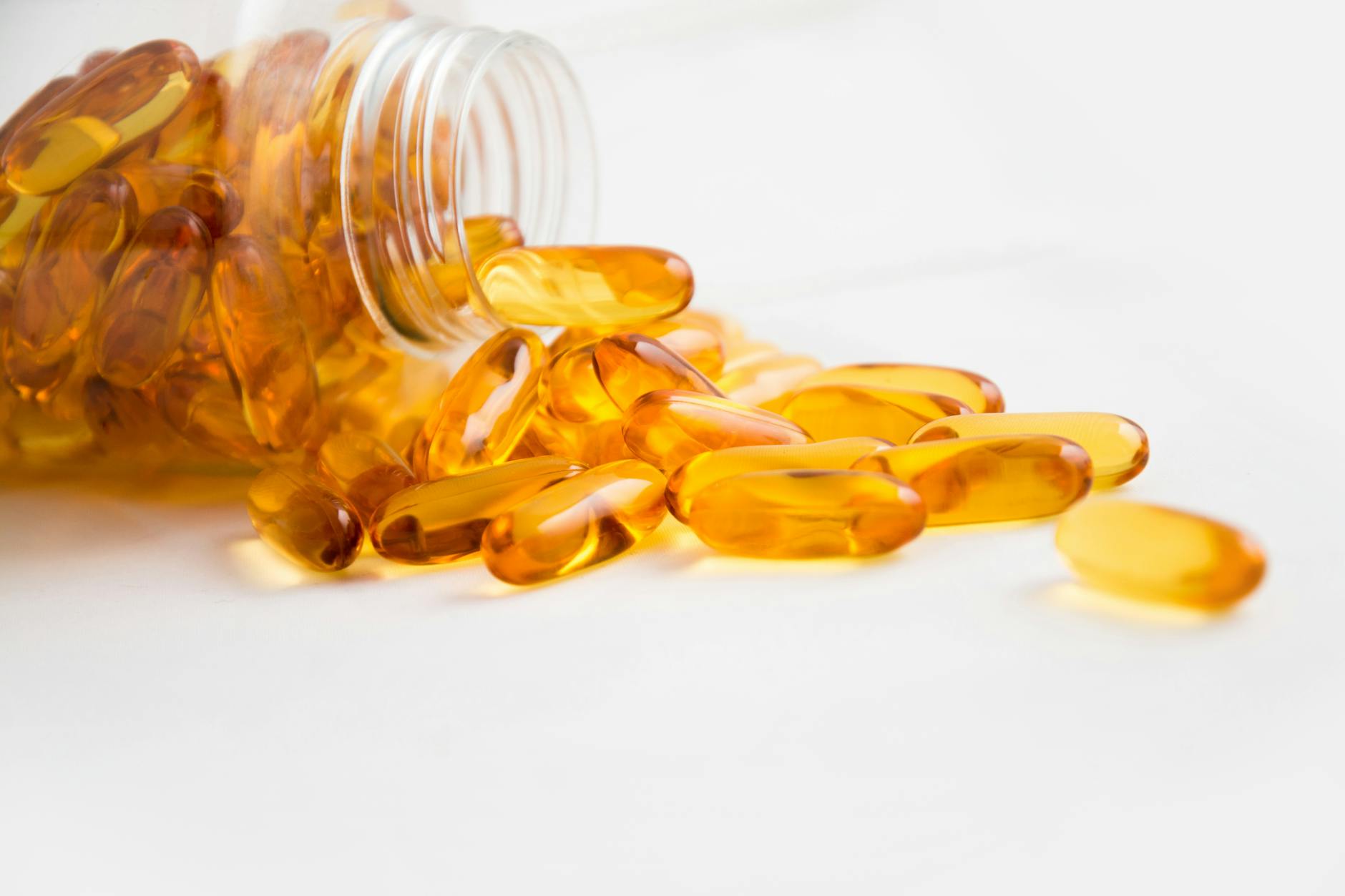
Curiously Aligned Take:
Omega-3s may be tiny molecules, but they’re mighty in function. They fuel your brain, keep your heart rhythm steady, and even keep your skin glowing. Whether you’re tucking into grilled salmon or sprinkling chia seeds over your morning oats, making room for omega-3s in your diet is one investment in health that pays lifelong dividends.
So go ahead — give your body the fats it truly loves. Your cells (and your concentration span) will thank you.
Curious how this all translates into everyday eating? Keep an eye out for my upcoming meal prep series, where I’ll be sharing how we balance different dietary needs — from fish allergies to keto plans — while still keeping things nutritious and delicious.
References
- Brenna JT, Salem N Jr, Sinclair AJ, Cunnane SC. (2009, updated discussions 2010+). α-Linolenic acid supplementation and conversion to n–3 long-chain polyunsaturated fatty acids in humans. Prostaglandins Leukot Essent Fatty Acids, 80(2–3), 85–91.
- Yurko-Mauro K, et al. (2010). Beneficial effects of docosahexaenoic acid on cognition in age-related cognitive decline. Alzheimer’s Dement, 6(6), 456–464.
- Abdelhamid AS, et al. (2018). Omega-3 fatty acids for the primary and secondary prevention of cardiovascular disease. Cochrane Database Syst Rev, 7:CD003177.
- Calder PC. (2017). Omega-3 fatty acids and inflammatory processes: from molecules to man. Biochem Soc Trans, 45(5), 1105–1115.
- SanGiovanni JP, Chew EY. (2005; updated evidence 2012–2018). The role of omega-3 long-chain polyunsaturated fatty acids in health and disease of the retina. Prog Retin Eye Res, 24(1), 87–138.
- Grosso G, et al. (2014). Omega-3 fatty acids and depression: scientific evidence and biological mechanisms. Oxid Med Cell Longev, 2014, 313570.
- Senftleber NK, et al. (2017). Marine oil supplements for arthritis pain: a systematic review and meta-analysis.Nutrients, 9(1), 42.


 Curiously AligneD
Leave a comment