

Bones aren’t just the body’s scaffolding — they’re living tissue, constantly breaking down and rebuilding like a construction site that never sleeps. But sometimes, that renewal process gets out of balance, leading to conditions like osteopenia and osteoporosis. These are common (especially as we age), but they’re not inevitable — and there’s plenty you can do to keep your skeleton in strong working order.
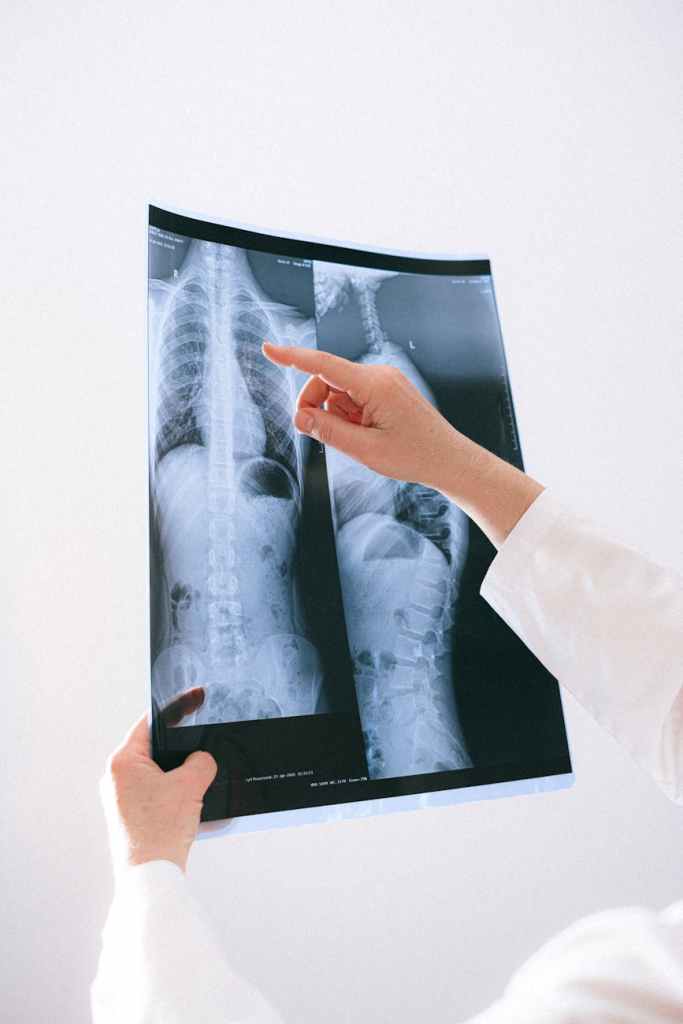
What Are Osteopenia and Osteoporosis?
Let’s start with the basics.
- Osteopenia means your bones have started to lose density — they’re not fragile yet, but they’re sending you a polite nudge to pay attention.
- Osteoporosis, on the other hand, is when bone loss has gone further. The bones become porous, brittle, and more likely to fracture from even small knocks or falls.
This usually happens when the balance between bone breakdown and bone rebuilding shifts — either because of hormonal changes (especially after menopause), reduced physical activity, nutritional deficiencies, or the natural ageing process.
Certain medical conditions and long-term use of corticosteroids can also increase the risk.
Where It Shows Up
Osteoporosis can affect any bone, but the most common sites are:
- Spine: Compression fractures may cause back pain, loss of height, or a “stooped” posture.
- Hips: Fractures here can be life-changing and often require surgery.
- Wrists and forearms: Usually the result of falls.
- Ribs and shoulders: Often overlooked, but frequent in older adults.
These fractures can significantly affect independence and confidence — but the good news is, many can be prevented with the right care and lifestyle habits.

Preventing Bone Loss:
The Power of Movement and Nutrition
While genetics and age play their part, lifestyle is one of your strongest allies in keeping bones healthy.
Strength Training: The Bone’s Best Friend
Bones respond to stress — the good kind. When you lift weights, walk briskly, or do Pilates, your bones experience tiny amounts of stress that stimulate bone-forming cells called osteoblasts. This helps maintain or even increase bone density over time.
- Weight-bearing exercises (like walking, dancing, and hiking) keep the bones strong by working against gravity.
- Resistance training (like using free weights, resistance bands, or bodyweight exercises) adds the crucial stimulus bones need to stay dense and resilient.
Studies show that regular strength and resistance training can increase or maintain bone mineral density, particularly in postmenopausal women (Howe et al., 2011; Shipp et al., 2017; Daly et al., 2019).
Bonus: strength training also improves balance and coordination — two key factors in preventing falls, one of the biggest fracture risks.
Feed Your Bones Well
Your bones are living tissue — and like any living structure, they need fuel.
- Calcium: Essential for bone formation and maintenance. Dairy, fortified plant milks, leafy greens, and almonds are all good sources.
- Vitamin D: Helps the body absorb calcium. The sun is the main source, but supplements are often recommended in northern climates (like Norway!) during darker months.
- Protein: Often overlooked, but crucial — bones are about 50% protein by volume. Adequate protein intake supports bone strength and repair (Rizzoli et al., 2018).
- Other nutrients: Magnesium, vitamin K2, and zinc also play supporting roles in bone metabolism.
A balanced, varied diet — ideally alongside a bit of sunshine and some resistance exercise — is one of the best long-term prescriptions for bone health (Weaver et al., 2016).
How Chiropractic Care Can Help
Here’s where chiropractic management steps in as part of a supportive, multidisciplinary approach. While chiropractic treatment doesn’t “reverse” osteoporosis, it can make daily life more comfortable, keep joints mobile, and help maintain a strong, functional posture.
- Gentle joint mobilisation: For those with fragile bones, chiropractors use low-force, controlled techniques to ease stiffness and restore movement safely.
- Posture correction: Maintaining good spinal alignment can reduce abnormal mechanical loading and decrease discomfort, especially in the thoracic spine.
- Pain relief: Soft tissue work and mobilisation can reduce muscle tension and joint strain caused by compensatory movement patterns.
- Exercise prescription: Chiropractors can recommend safe resistance and balance exercises, tailored to your bone health and mobility level.
- Collaborative care: A good chiropractor works in partnership with your GP, physiotherapist, or nutritionist — ensuring you have a complete, evidence-based plan.
Think of chiropractic care as a support beam within a much larger framework of lifestyle, nutrition, and medical management.
Medical and Therapeutic Treatment Options
For those already diagnosed with osteoporosis, several evidence-based treatments can help slow or even halt bone loss:
- Bisphosphonates help reduce bone breakdown.
- Selective estrogen receptor modulators (SERMs) or hormone replacement therapy (HRT) can help maintain bone density in postmenopausal women.
- Denosumab and teriparatide are newer options used in more advanced cases or when other medications aren’t suitable.
These treatments are typically prescribed by a GP or specialist, and chiropractors often coordinate care alongside these therapies, helping manage mobility, comfort, and safe exercise.
When to Seek Outside Help
Bone fragility can demand medical assessment before manual therapy can safely continue. Chiropractors refer out when:
- There’s sudden, severe back pain that could indicate a compression fracture.
- You haven’t had a recent DEXA scan and bone health needs confirming.
- You have unexplained weight loss, fever, or other systemic red flags.
- Medication review or specialist input (endocrinology, orthopaedics) is required.
In short — chiropractic care is part of the team, not a solo act. When combined with medical treatment, nutrition, and movement, it forms a powerful approach to maintaining independence and quality of life.
Curiously Aligned Take
Osteoporosis doesn’t have to be a sentence of fragility. With the right mix of exercise, diet, lifestyle, and professional care, your bones can stay strong and capable for decades to come.
Think of it this way: you wouldn’t let your car go years without maintenance — your skeleton deserves the same attention. Keep moving, keep nourishing, and keep checking in with your health team.

References
- Daly, R. M., Gianoudis, J., Bailey, C. A., & Sanders, K. M. (2019). Exercise for the prevention of osteoporosis in postmenopausal women: An evidence-based approach. Journal of Science and Medicine in Sport, 22(8), 839–848.
- Giangregorio, L., & Papaioannou, A. (2014). Exercise for improving outcomes after osteoporotic vertebral fracture. Cochrane Database of Systematic Reviews, (1), CD008618.
- Howe, T. E., Shea, B., Dawson, L. J., Downie, F., Murray, A., Ross, C., Harbour, R. T., Caldwell, L. M., & Creed, G. (2011). Exercise for preventing and treating osteoporosis in postmenopausal women. Cochrane Database of Systematic Reviews, (7), CD000333.
- Kanis, J. A., Cooper, C., Rizzoli, R., & Reginster, J. Y. (2019). European guidance for the diagnosis and management of osteoporosis in postmenopausal women. Osteoporosis International, 30(1), 3–44.
- Rizzoli, R., Biver, E., & Bonjour, J. P. (2018). Dietary protein and bone health. Osteoporosis International, 29(1), 1–14.
- Shipp, K. M., et al. (2017). Exercise for individuals with osteoporosis: A safe and effective prescription. Journal of Orthopaedic & Sports Physical Therapy, 47(10), 731–736.
- Sinaki, M. (2012). Exercise for patients with osteoporosis: Management of vertebral compression fractures and trunk strengthening for fall prevention. PM&R, 4(11), 882–888.
- Weaver, C. M., Gordon, C. M., Janz, K. F., Kalkwarf, H. J., Lappe, J. M., Lewis, R., … & Zemel, B. S. (2016). The National Osteoporosis Foundation’s position statement on peak bone mass development and lifestyle factors. Osteoporosis International, 27(4), 1281–1386.


 Curiously AligneD
Leave a comment