
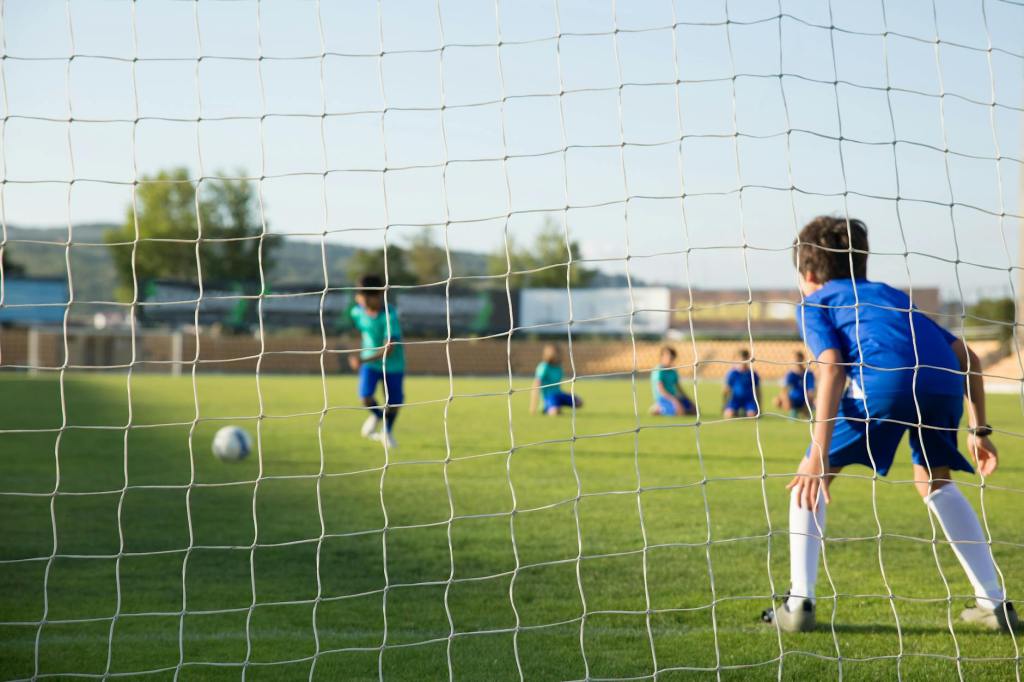
The school bells are ringing, backpacks are being packed, and for many young athletes the return to school also means the return to packed schedules full of homework, training, and competitions. While sports are an amazing way for kids and teens to build confidence, friendships, and healthy habits, the “back to school rush” can also bring challenges.

Whether you’re a parent, coach, or an athlete yourself, here are some key areas to keep an eye on this season
Balancing school, sport, and life isn’t easy—especially for young athletes. I’ve seen the challenges from every angle: as a chiropractor treating injuries, as a coach watching fatigue set in, and as a former elite athlete who once felt the pressure myself.
That’s why I’m here to share this advice, perspective and encouragement.
Watch Out for Overtraining and Burnout
Sports are fun — until they stop being fun. Young athletes are still growing, which means their bodies (and minds) don’t respond to training loads the same way adults do. Overtraining can sneak up quickly, leading to fatigue, increased injuries, irritability, and even declining performance.
👉 What to look out for:
- Persistent tiredness or loss of motivation
- More frequent colds or illnesses
- Lingering muscle or joint pain
- A drop in school performance or mood
Balance is key: kids need proper rest and variety in their activities. Specialising in just one sport too early has been linked to a higher risk of injuries and burnout (Brenner, 2016). As they grow it is good to keep a good variation in activity, as pressures from school begin to increase into adolescence, cutting down to focus on one sport is often a good idea, but not mandatory if they have found the right balance.
Mental Health Matters
Between academics, social pressures, and sports commitments, student athletes may feel overwhelmed.
Mental health is just as important as physical health — and stress should never be brushed off as “just part of growing up.

Tips for support:
- Encourage open conversations about stress and anxiety
- Watch for warning signs like withdrawal, irritability, or sleep problems
- Normalize rest days — they’re healthy, not lazy
- Remind young athletes that self-worth isn’t only tied to performance
Sports can be protective against depression and anxiety when balanced correctly, but when stress outweighs enjoyment, it can contribute to mental health struggles (Schuch et al., 2019).
Fuelling the Young Athlete: Nutrition Basics
Proper nutrition fuels both the classroom and the playing field. Many young athletes underestimate how much energy their bodies need, especially during growth spurts.
Nutrition reminders:
- Breakfast is non-negotiable. A balanced breakfast supports focus and energy.
- Hydration is key. Dehydration impacts both performance and cognition.
- Protein + carbs after training. This helps recovery and prevents fatigue.
- Don’t skip snacks. Healthy options like fruit, yogurt, or nut butter keep energy stable throughout the day.

Energy availability (the balance between calories consumed and calories burned in sport + daily activity) is crucial. Chronic low energy availability in young athletes can affect growth, bone health, and even hormonal function (Mountjoy et al., 2018).
Time Management and Rest
With practices, games, and schoolwork all competing for attention, time management skills become essential. Too little sleep and too much scheduling can increase injury risk and reduce school performance.

Healthy habits to encourage:
- Aim for 8–10 hours of sleep per night (yes, really!)
- Schedule in downtime — it’s part of recovery
- Use a weekly planner to balance sports, school, and social life
Sleep itself is one of the most powerful performance enhancers: it supports learning, recovery, and injury prevention (Watson, 2017).
The Curiously Aligned Take:
Sports should add to a young person’s life, not take away from it. By keeping an eye on training loads, mental health, nutrition, and rest, student athletes can thrive both on and off the field. Parents and coaches play a huge role in setting the tone: encourage balance, celebrate effort (not just results), and remember that health always comes first.
A happy athlete is a healthy athlete — and that’s the best foundation for both performance and lifelong love of movement.
References
- Brenner, J. S. (2016). Sports specialization and intensive training in young athletes. Pediatrics, 138(3), e20162148. https://doi.org/10.1542/peds.2016-2148
- Schuch, F. B., et al. (2019). Physical activity and incident depression: A meta-analysis of prospective cohort studies. Journal of Affective Disorders, 245, 928–939. https://doi.org/10.1016/j.jad.2019.01.024
- Mountjoy, M., et al. (2018). International Olympic Committee consensus statement on relative energy deficiency in sport (RED-S): 2018 update. British Journal of Sports Medicine, 52(11), 687–697. https://doi.org/10.1136/bjsports-2018-099193
- Watson, N. F., et al. (2017). Recommended amount of sleep for a healthy adult: A joint consensus statement of the American Academy of Sleep Medicine and Sleep Research Society. Sleep, 40(6), zsx044. https://doi.org/10.5665/sleep.6706


 Curiously AligneD
Leave a comment