
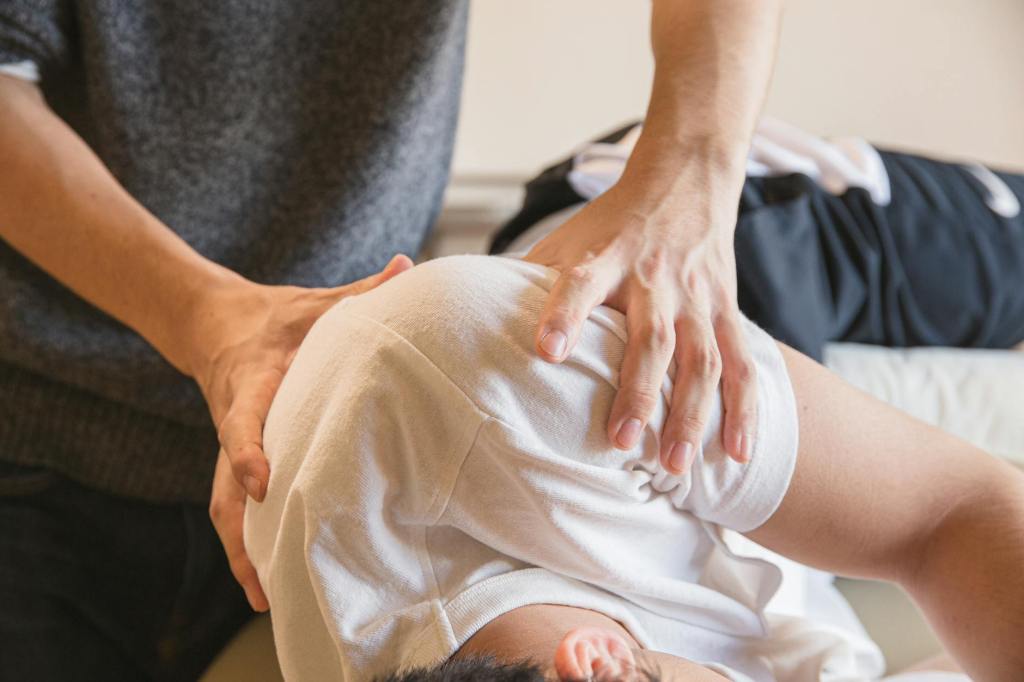
Before we get into any of the juicy details, I should start this blog off with a good description of what it is I actually do as a healthcare professional.
Ever wished your body came with a “reset” button? Chiropractic care might just be the closest thing to it. While there’s no magic wand here, there is a hands-on, drug-free approach that can help get you moving, feeling, and functioning better — especially if back or neck pain is stealing the spotlight in your daily life.

The Basics: What Actually is Chiropractic?
At its heart, chiropractic care is about restoring movement and function in joints — especially those in the spine — through techniques like spinal manipulation.
Chiropractic is a targeted, controlled force to improve motion, relieve tension, and support wellbeing.
– The Cleveland Clinic
And yes, sometimes you’ll hear that satisfying “pop” — that’s just harmless gas bubbles releasing in the joint fluid. Think of it as your body’s version of bubble wrap.
Does It Work? Here’s What the Science Says
A 2017 meta-analysis of found that spinal manipulative therapy (SMT) can provide modest short-term relief for acute low back pain — on par with other guideline-recommended treatments (Paige et al., 2017, Annals of Internal Medicine).
For chronic low back pain, large reviews show SMT can be about as effective as exercise or education programs for pain and function (Paige et al., 2019, BMJ). The Journal of Orthopaedic & Sports Physical Therapy agrees: SMT works about as well as other active treatments for reducing pain and disability (JOSPT, 2025).
So, while it’s not a miracle cure, SMT is a valid, evidence-supported option — especially for those wanting to avoid medications.
Beyond Adjustments: The Chiropractor’s Toolbox
A modern chiropractic clinic often blends several therapies to get the best results:
1. Massage Therapy
Great for easing muscle tension and improving circulation. While research shows the evidence is mixed for long-term change, it can make adjustments more comfortable and help with short-term relief.


2. Rehabilitation & Exercise
From gentle stretches to strengthening routines, these are your “homework” for keeping progress going between visits. Exercise is one of the most well-supported tools for improving musculoskeletal health and preventing flare-ups.
3. Dry Needling
Fine needles target tight muscle knots (trigger points) to reduce pain.
- Chronic neck pain: A 2023 meta-analysis found dry needling improved pain and function short-term, especially when paired with exercise (Llamas-Ramos et al., 2023).
- Jaw-related myofascial pain: Manual therapy slightly outperformed dry needling, but both reduced pain (Fernández-de-Las-Peñas et al., 2023).
- Bottom line? Dry needling can help in the short term — long-term effects are still under investigation.

4. Lifestyle Advice
Posture tweaks, ergonomic tips, stress-management, and even basic nutrition guidance are common. The goal? Keep your body working well beyond the clinic walls.
The Most Common I See As A Chiropractor
You don’t have to be a weekend warrior or desk jockey to end up at the chiropractor’s door. Common reasons include:
- Low back pain — acute or chronic
- Neck pain — including tension headaches and certain migraines
- Muscle tightness or myofascial pain
- Sports injuries — strains, sprains, and recovery support
- Joint discomfort — shoulders, hips, knees, ankles
Evidence is strongest for low back pain, but many patients also find relief for mechanical neck pain and other musculoskeletal issues when care is paired with exercise and education.
So… Should You Try It?
If you’re looking for a non-invasive, drug-free approach to back or neck pain, chiropractic care may be worth a try. The research says it’s not a magic bullet — but in the right hands, and combined with exercise and lifestyle changes, it can be an effective part of your pain-relief and mobility plan.

References
- Cleveland Clinic. Chiropractic Adjustment: What You Need to Know.
- Paige NM, et al. (2017). Annals of Internal Medicine, 166(7): 493–505. PMCID: PMC5470352
- Paige NM, et al. (2019). BMJ, 364: l689. DOI: 10.1136/bmj.l689
- JOSPT (2025). Manual Therapy for Low Back Pain. DOI: 10.2519/jospt.2025.12707
- Llamas-Ramos R, et al. (2023). J Clin Med, 12(9): 2370. PMCID: PMC10469395
- Fernández-de-Las-Peñas C, et al. (2023). Chiropractic & Manual Therapies, 31: 17. DOI: 10.1186/s12998-023-00489-x


 Curiously AligneD
Leave a comment